Top Survival Gear Recommendations for Preparedness
In an unpredictable world, being prepared for emergencies is more crucial than ever. Whether you're facing natural disasters, power outages, or unexpected situations, having the right survival gear can make all the difference. This guide will provide you with essential recommendations for survival gear that can help you stay safe and secure in various scenarios.
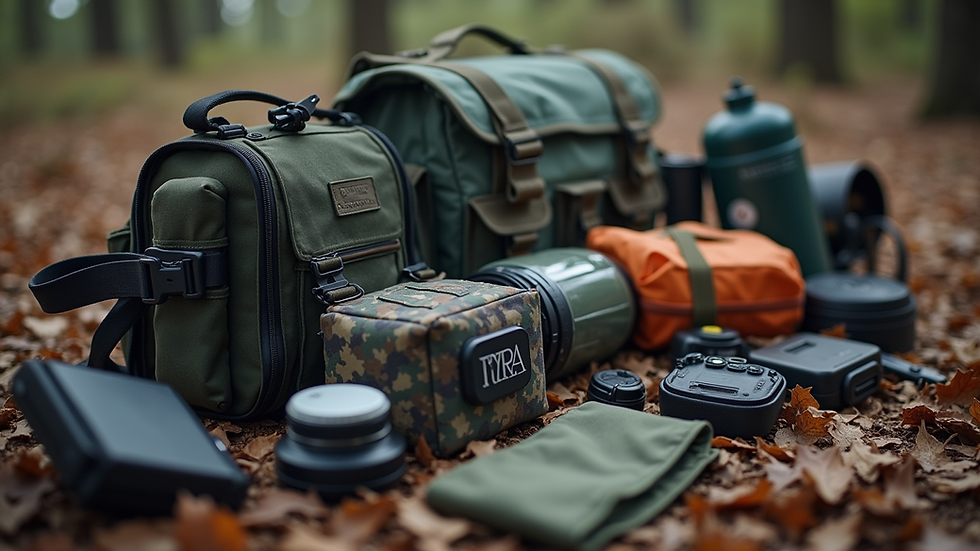
Understanding the Importance of Survival Gear
Survival gear is not just for outdoor enthusiasts; it is essential for anyone who wants to be prepared for unexpected events. The right gear can provide you with the tools you need to survive in challenging situations. Here are some reasons why investing in survival gear is important:
Safety: Having the right equipment can protect you from harm during emergencies.
Self-sufficiency: Survival gear enables you to rely on yourself rather than waiting for help.
Peace of mind: Knowing you are prepared can reduce anxiety in uncertain times.
Essential Survival Gear Categories
When it comes to survival gear, it's helpful to categorize items based on their purpose. Here are the main categories to consider:
1. Shelter and Warmth
Creating a safe and warm environment is critical in survival situations. Here are some essential items:
Emergency Mylar Blankets: These lightweight blankets reflect body heat and are compact for easy storage.
Tents or Tarps: A durable tent or tarp can provide shelter from the elements.
Sleeping Bags: Choose a sleeping bag rated for cold weather to ensure warmth during the night.
2. Water and Water Purification
Water is vital for survival. Here are some recommendations for water storage and purification:
Water Bottles: Invest in durable, reusable water bottles to store drinking water.
Water Filters: Portable water filters can remove contaminants from natural water sources.
Water Purification Tablets: These tablets are a lightweight option for purifying water in emergencies.
3. Food and Cooking Supplies
Having enough food is essential for energy and sustenance. Consider these items:
Non-perishable Food: Stock up on canned goods, freeze-dried meals, and energy bars.
Portable Stove: A compact camping stove allows you to cook food even in the wild.
Cooking Utensils: Lightweight pots, pans, and utensils are necessary for meal preparation.
4. First Aid and Medical Supplies
Injuries can happen during emergencies, so having a first aid kit is crucial. Here are some items to include:
First Aid Kit: A comprehensive kit should include bandages, antiseptics, and pain relievers.
Prescription Medications: Keep a supply of any necessary medications in your kit.
Emergency Contact Information: Include a list of emergency contacts and medical information.
5. Tools and Equipment
Having the right tools can make survival situations easier. Here are some essential tools:
Multi-tool: A versatile multi-tool can serve various functions, from cutting to screwing.
Flashlight: A reliable flashlight with extra batteries is essential for visibility in the dark.
Rope or Paracord: Strong rope can be used for various tasks, from building shelter to securing gear.
Recommended Survival Gear Brands
When selecting survival gear, quality matters. Here are some reputable brands known for their reliability:
Gerber: Known for high-quality knives and multi-tools.
LifeStraw: Offers excellent portable water filtration solutions.
MSR (Mountain Safety Research): Provides durable camping gear and cooking supplies.
Building Your Survival Kit
Creating a personalized survival kit is essential for preparedness. Here are steps to build your own:
Assess Your Needs: Consider your location, climate, and potential emergencies you may face.
Choose a Container: Use a durable backpack or storage bin to hold your gear.
Gather Essential Items: Include items from each category mentioned above.
Regularly Update Your Kit: Check expiration dates on food and medical supplies and replace them as needed.
Training and Skills Development
Having the right gear is only part of being prepared. Developing skills is equally important. Here are some skills to consider:
First Aid Training: Learn how to treat injuries and perform CPR.
Fire Starting: Practice different methods of starting a fire in various conditions.
Navigation Skills: Familiarize yourself with maps and compasses to find your way in the wilderness.
Conclusion
Being prepared for emergencies is not just about having the right gear; it's about being proactive and informed. By investing in quality survival gear and developing essential skills, you can ensure your safety and the safety of your loved ones. Start building your survival kit today and take the first step towards preparedness. Remember, the best time to prepare is before an emergency strikes.


Comments